Racecourse
monitoring.
Measure ground response across the course, follow variation between fixtures and support discussions around going and maintenance.
Discuss course monitoring
EQUINE SURFACE SCIENCE
See how your surface responds.
Make clearer decisions in the field.
Independent surface testing, monitoring and applied research for racing and eventing.
From a single impact
to the bigger picture.
FIELD NOTES / 01
A course average is a starting point. Look across the running lines, then follow how the response changes over time.
Anonymised course · morning measurements · schematic layout
AT THE WINNING POST
Day 1 uses a single reference line. Days 2 and 3 use separate inside, middle and outside lines at seven locations. Readings describe the sampled morning conditions; later rainfall means they are not race-time measurements.
Cushioning colours use the interpretation bands from this particular report and are not an official going declaration. Upper and lower firmness use a separate blue scale. The diagram does not represent horse trajectories or identify a fastest line.
WHAT WE DO
Clear measurements and practical context for the people preparing, managing and studying equine surfaces.
Measure ground response across the course, follow variation between fixtures and support discussions around going and maintenance.
Discuss course monitoringAssess cross-country ground across fields and sectors, bringing objective measurements alongside practical experience and rider feedback.
Discuss your venueField data collection, international studies and reporting that connect surface measurements with the wider questions in equestrian sport.
Explore the researchLocation measurements + Course maps + Clear summaries + Practical discussion
THE GROUND & THE HORSE
For jockeys, trainers, owners and everyone who cares about racehorses: surface information belongs in the conversation about performance and welfare.
Published turf studies have identified relationships between ground measurements and racing performance.
[1] Hobbs et al. (2024) [2] Legg et al. (2026b)A British Flat-racing study linked firmer going with higher odds of race-day fatality. Horse- and race-related factors also mattered.
[3] Rosanowski et al. (2018)Groundlytics adds measurements of surface response and variation before racing. Reports help make the conditions underfoot visible, alongside the horse, race and course context.
Explore the evidence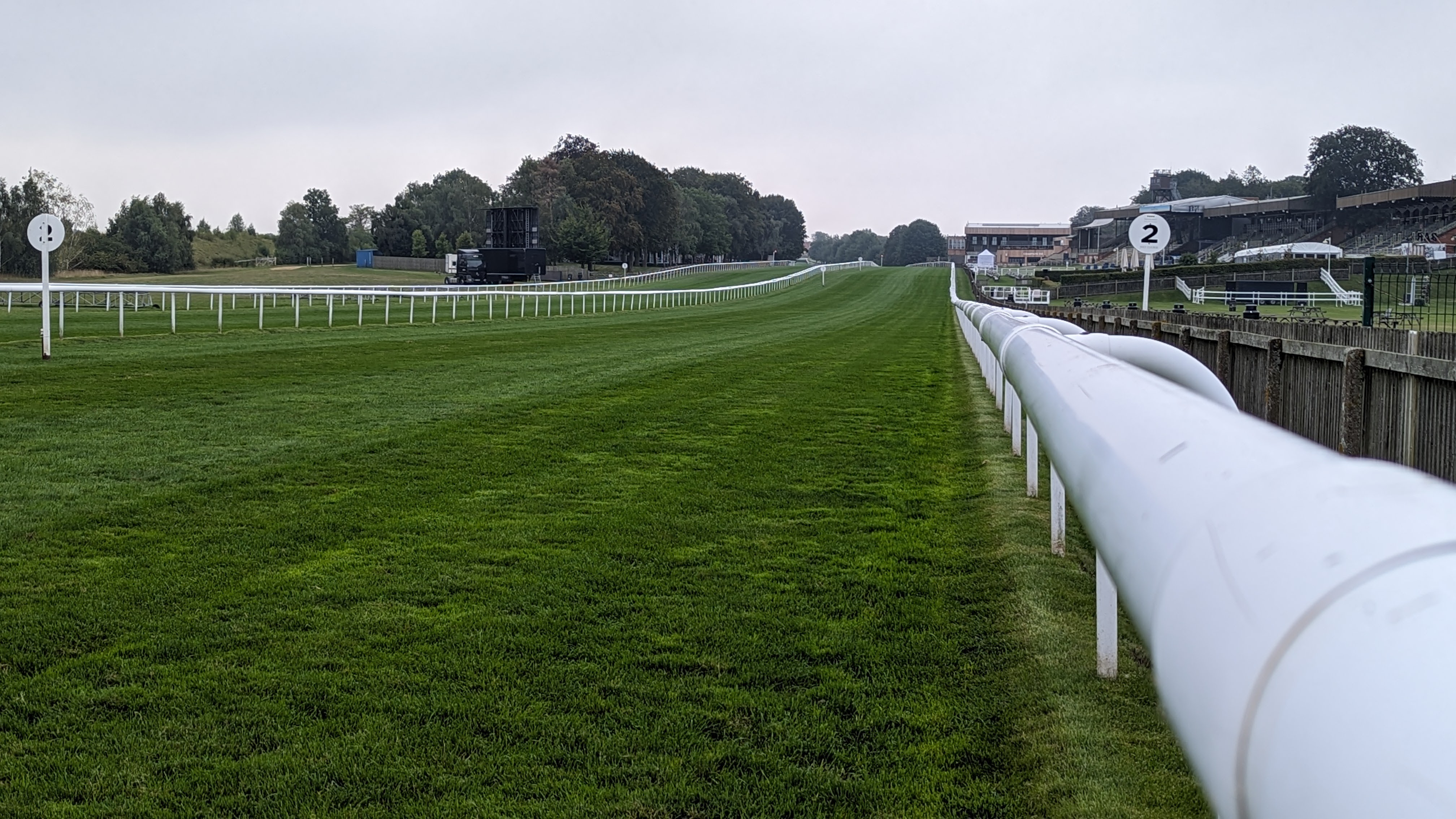
MEASURED WHERE IT MATTERS
Work across racing and eventing, with field projects in the UK, Ireland, the USA and mainland Europe.
Meet GroundlyticsTHE SCIENCE BEHIND THE WORK
Groundlytics draws on a wider equine surface research network. The Vienna Surface Tester is one of the key tools used to examine surface response in the field.
Our role is to turn those measurements into understandable maps, reports and conversations around ground management.
How the VST worksLET’S TALK
Tell us about your course, venue or research project.