Objective comparison
Instrumented impacts provide a repeatable way to compare surface response under recorded conditions.
BROCHURE
An introduction to the VST, the service and the research, with a redesigned PDF to share with your team.
Download the brochure ↓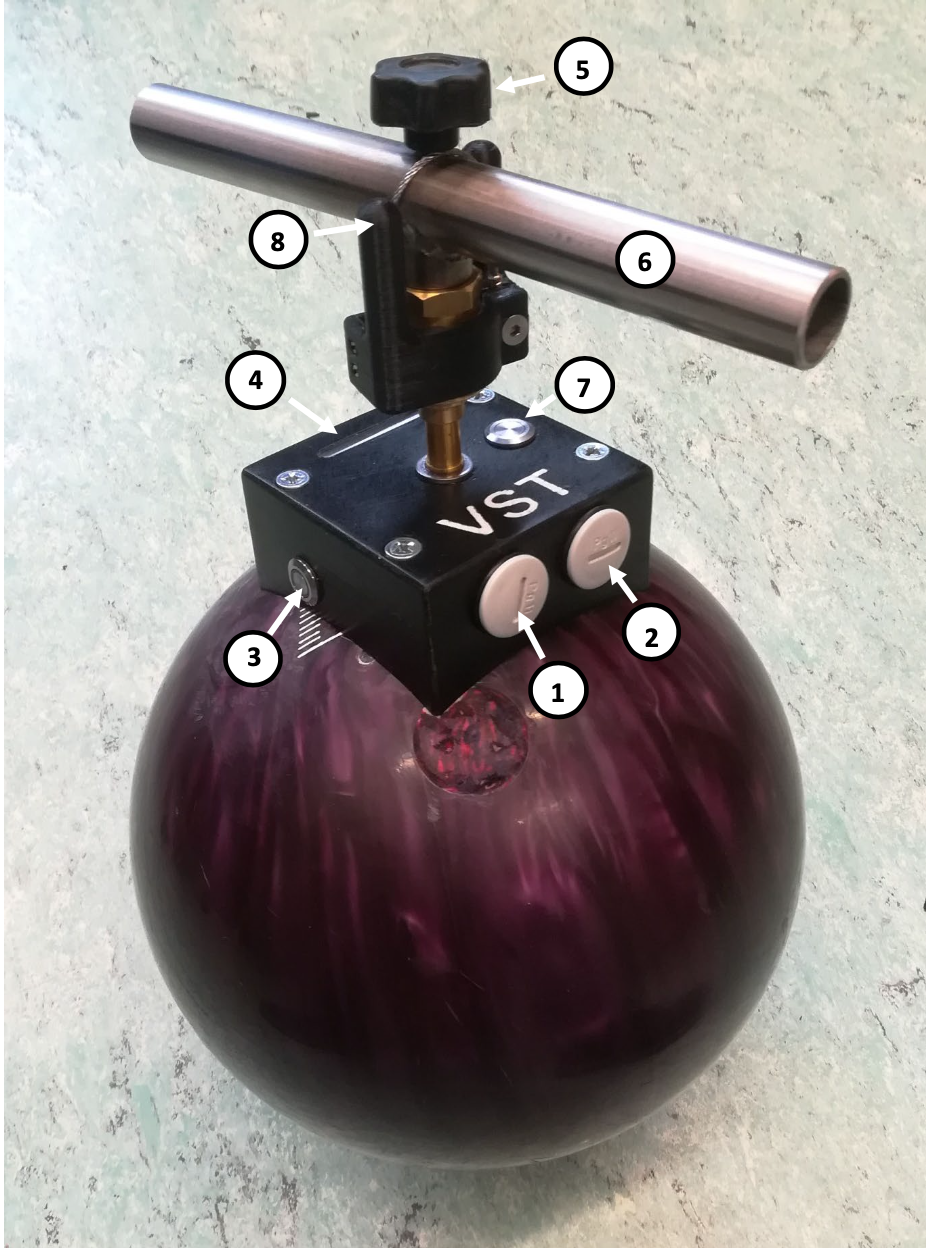
YOUR SURFACES, OUR PRIORITY
The Vienna Surface Tester is a portable impact instrument used to assess equine surfaces. Repeated drops provide objective response data for interpretation, mapping and long-term comparison.
The original brochure describes a systematic protocol with approximately 200 m spacing and seven drop heights. Coverage can be customised to the venue and the approved project protocol.
Key measures include cushioning, firmness, energy return, depth and stiffness, with soil moisture recorded separately.
Read the instrument explanation →Research, field measurements
and understandable reporting.
WHY THIS APPROACH?
The method adds measurements alongside practical going assessment and venue knowledge.
Instrumented impacts provide a repeatable way to compare surface response under recorded conditions.
Different impact conditions, upper and lower responses and separate moisture data help build the overall picture.
Stations, routes and repeats are agreed for the venue, its questions and the type of work.
Follow change across weather, watering, use or maintenance, and investigate localised differences.
RESEARCH BACKGROUND
The VST has been compared with the OBST in published eventing research. British racing work then examined surface response alongside performance-based going and practical ground assessment.
The 15-month 2023–2024 Ground and Going study was led by Nottingham Trent University and the University of Central Lancashire, managed by the Horse Welfare Board and funded by the Racing Foundation.
That research background informs the testing and reporting service. Interpretation stays specific to the surface, protocol and question.
NEXT STEP
Tell us about your course, venue or research project.